


National Famine Way
- Family friendly
- Free to visit
- Rainy days
Historic trail tracing the footsteps of famine emigrants.
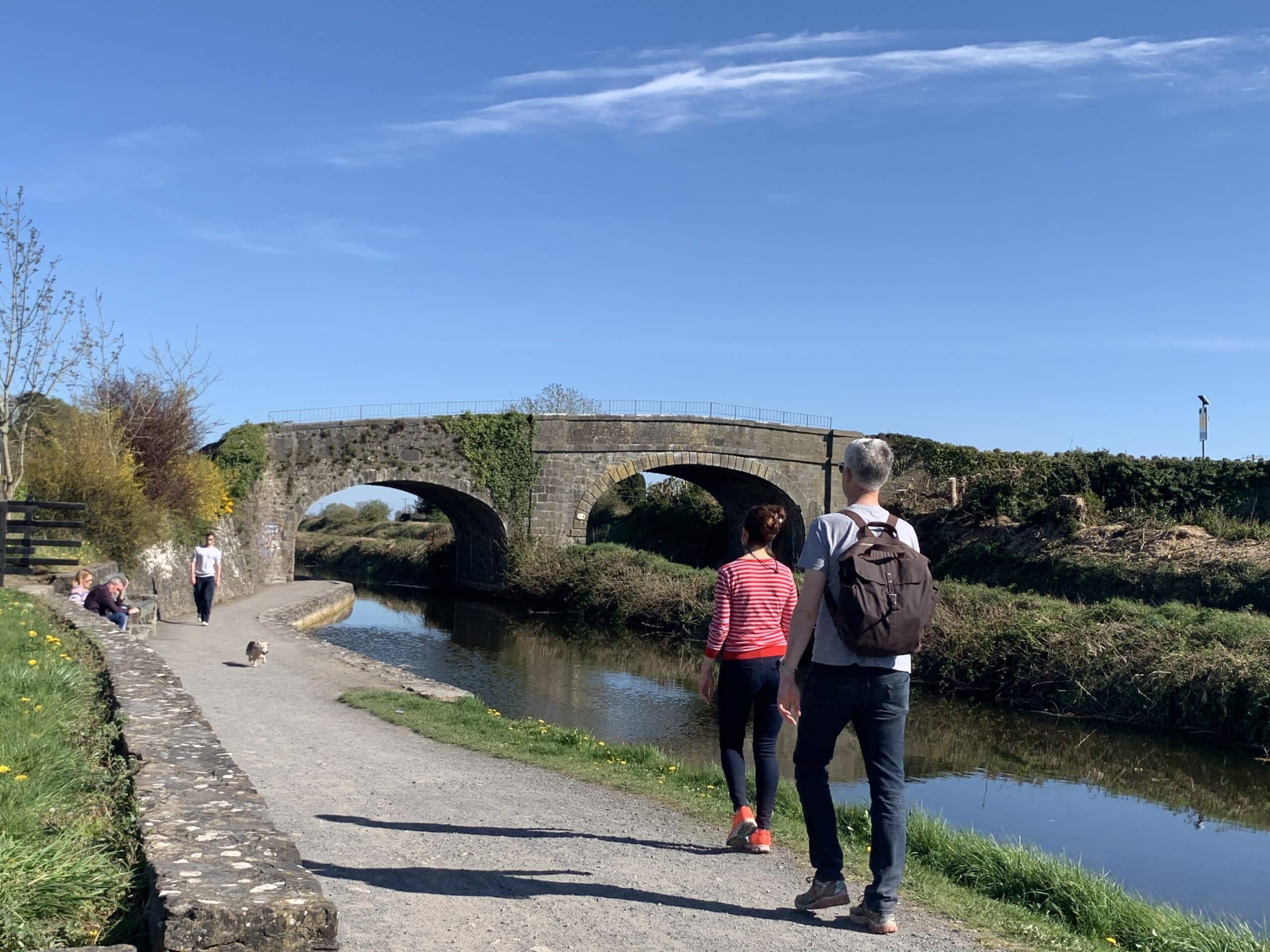
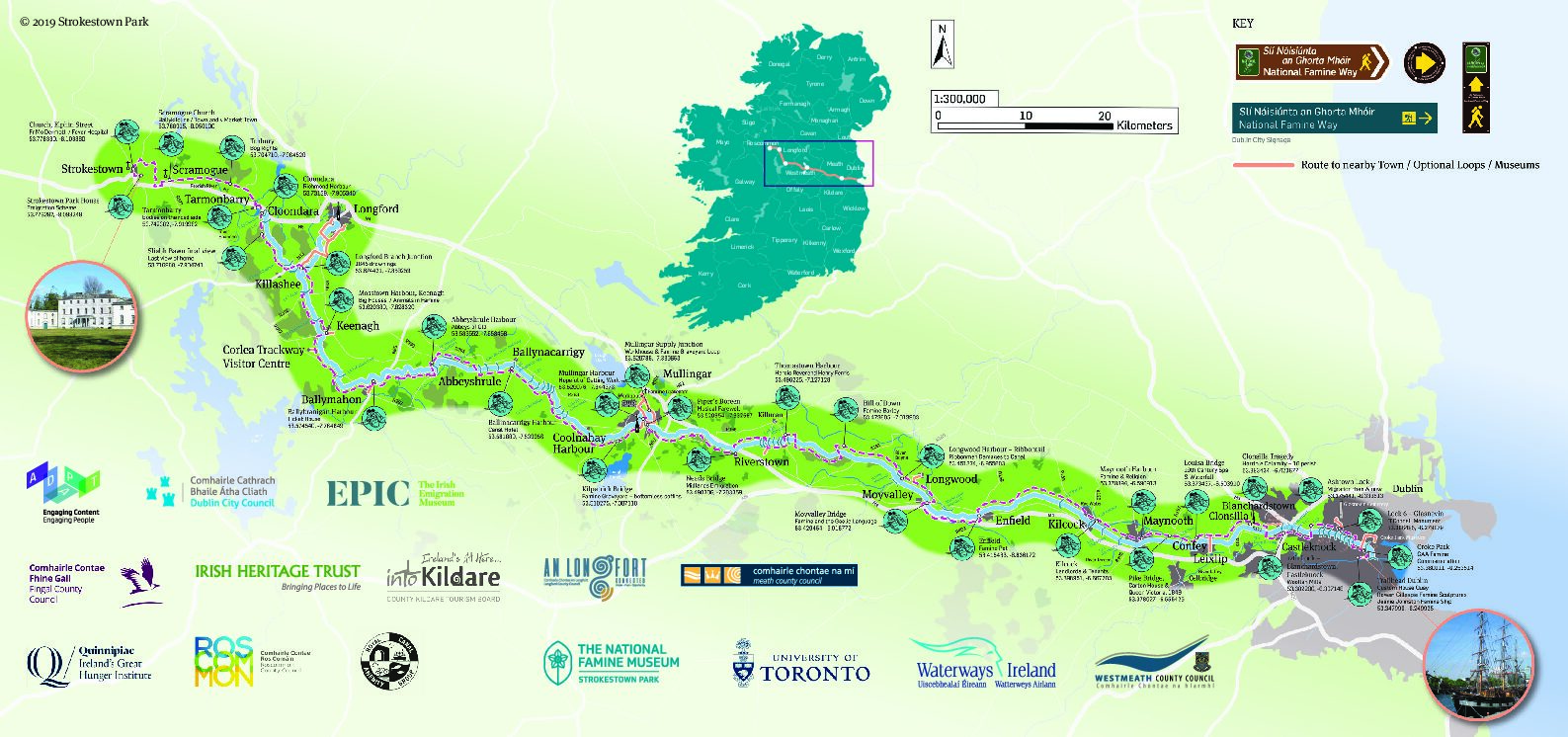
The National Famine Way is a powerful 165km heritage trail passing through County Longford as The Royal Canal Greenway, and following one of the most significant journeys in Irish history.
It is a moving journey through Ireland’s past, connecting landscapes, stories, and communities along one of the country’s most important heritage routes.
Overview
The National Famine Way is a waymarked walking and cycling trail following the last known journey on Irish soil of 1,490 men, women and children who were forced to leave Strokestown, Co Roscommon in 1847.
Follow their route to Dublin, collect passport stamps and discover stories, landscapes and local heritage along the way.
These 1,490 people became known as the “Missing 1490”, a lasting symbol of famine-era emigration and hardship.
Why Visit
- Experience a powerful true story of emigration, resilience and survival.
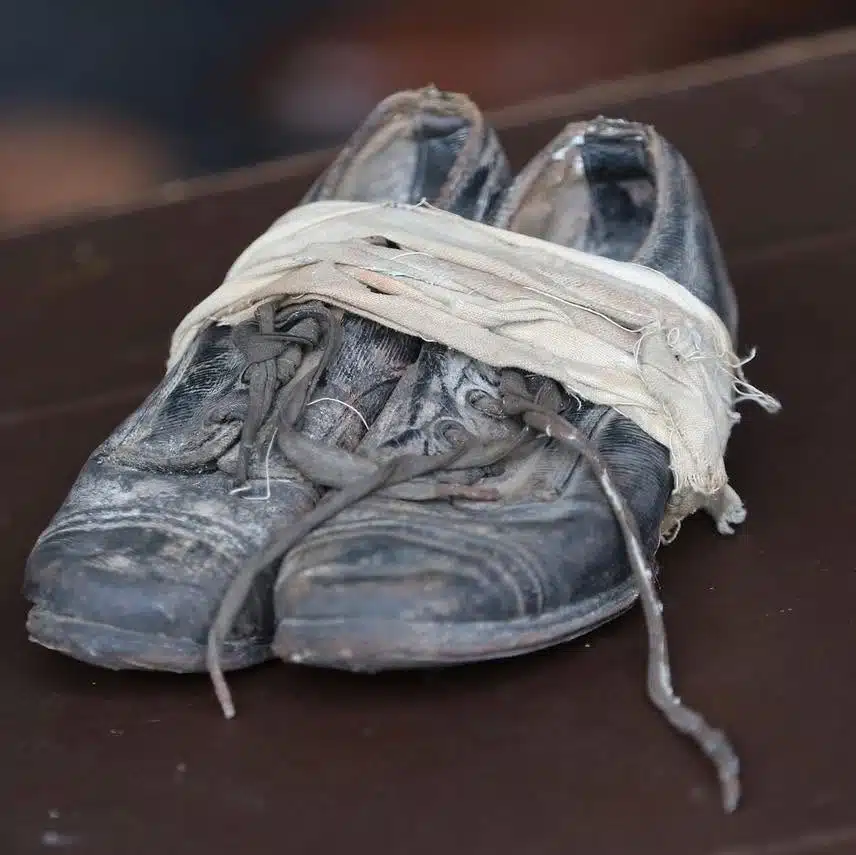
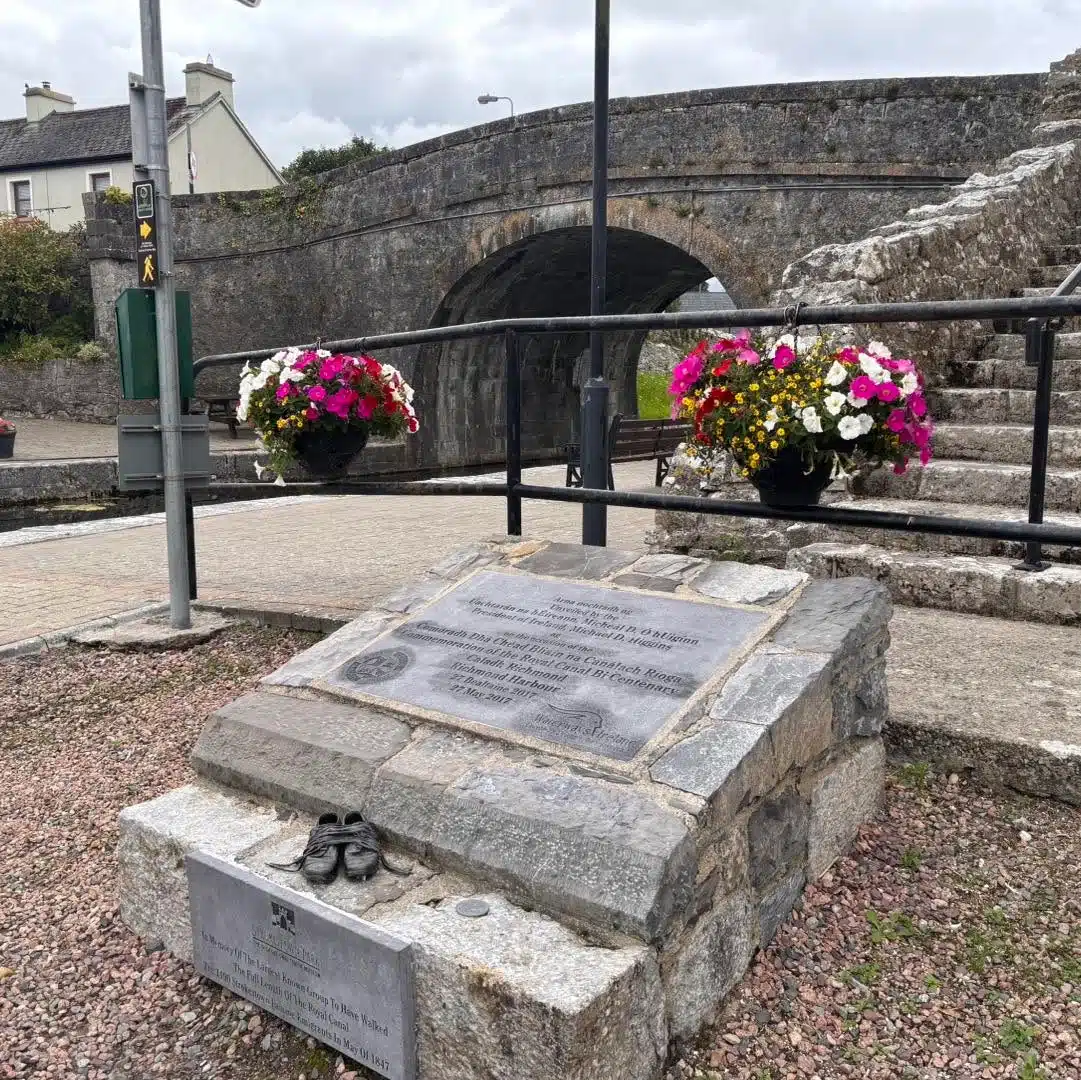
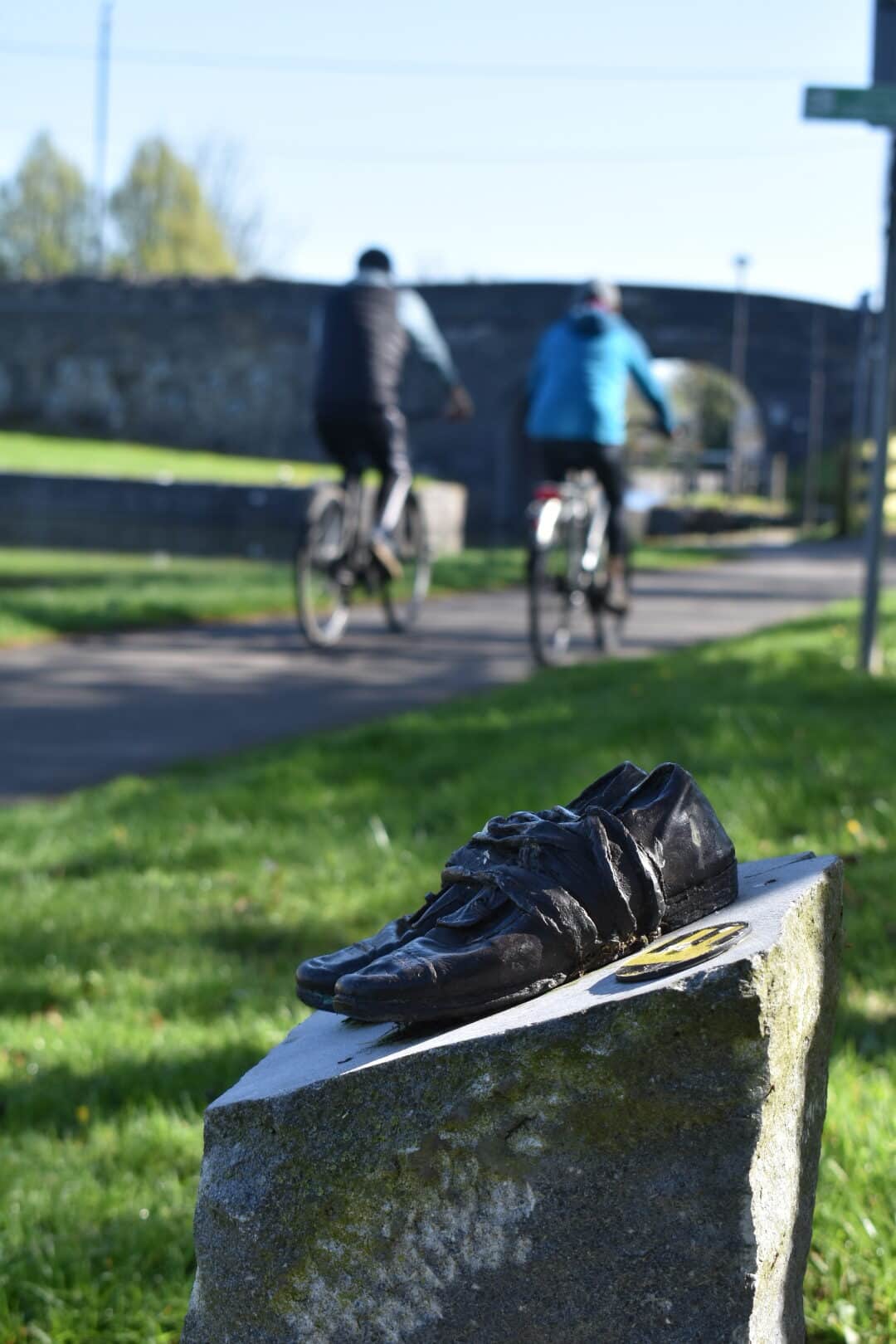
- Follow Daniel Tighe’s journey through audio stories at Bronze Shoes locations.
- Receive a ship ticket linking you to one of the families who left Strokestown in 1847, walk in their footsteps along the National Famine Way and discover their fate when you reach Dublin.
Good To Know
- Suitable for walkers, cyclists and families, with options for both short and long route sections.
- Passport Packs and trail information are available online.
- Download the free National Famine Way app for maps, navigation and audio stories.
Contact Details
- +353 (0)868377482
- info@nationalfamineway.ie
- Strokestown Park and The National Famine Museum
Frequently Asked Questions
- How long is the National Famine Way? The full route is 165km, stretching from Strokestown Park in County Roscommon to Dublin City. The trail is bookended by two award-winning museums: the National Famine Museum and EPIC The Irish Emigration Museum. County Longford is home to approximately 33.7km of the route, including Cloondara, Mosstown Harbour, Ballybrannigan Harbour, and Abbeyshrule.
- Do I have to complete the entire route? No. The National Famine Way can be enjoyed in a variety of ways. Visitors can complete the full 165km route or choose shorter walking or cycling sections that suit their time, interests and ability.
- Can I plan my visit online before I arrive? Yes. The National Famine Way website Nationalfamineway.ie provides route maps, trail information, accommodation listings, Passport Pack details, FAQs, suggested itineraries and links to download the free National Famine Way app. It is the best place to start planning your journey.
- What is included in an Official Passport Pack? Each Passport Pack includes an official National Famine Way passport, a ship ticket linking you to one of the families who left Strokestown during the Famine in 1847, a commemorative Bronze Shoes lapel pin and trail information to help guide your journey.
- What happens when I reach Dublin? Present your National Famine Way Passport and ship ticket at EPIC The Irish Emigration Museum, where you will receive your final passport stamp, discover the fate of the family linked to your ship ticket, receive your completion certificate and enjoy a reduced admission rate to the museum.
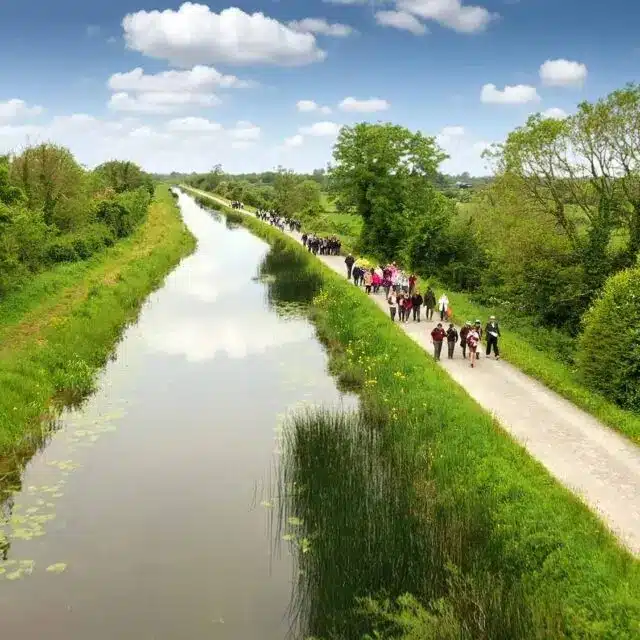
- Can I take part in the Annual Remembrance Walk? Each May, the National Famine Way hosts its Annual Remembrance Walk, retracing the journey made by 1,490 men, women and children from Strokestown to Dublin in 1847. Participants can join for a day, a weekend or the full route. Follow our social media channels for registration details and event updates.
Immersive Experience
| The National Famine Way tells a unique and poignant story dating back nearly two centuries. A once-in-a-lifetime experience, it follows in the footsteps of 1,490 famine-stricken tenant farmers and their families who left Strokestown in 1847 as part of an assisted emigration scheme organised by their landlord. Their journey took them on foot to Dublin before they boarded ships bound for Canada via Liverpool. From the Glass Memorial Wall at the National Famine Museum, Strokestown Park, the trail winds through the towns, villages and landscapes of Ireland's Hidden Heartlands and Ireland's Ancient East. It ends, appropriately, at the Famine Statues in Dublin’s Docklands near the Jeanie Johnson Famine Ship and EPIC The Irish Emigration Museum, meaning the trail is topped and tailed by two iconic award winning museums. The National Famine Museum and the National Famine Way are currently cared for and managed by the Irish Heritage Trust. Today, visitors can follow this historic route through six counties, including Longford, using the free National Famine Way app. At each Bronze Shoes sculpture along the trail, audio stories bring the journey to life through the voice of Daniel Tighe, a twelve-year-old boy who made the journey with his family. Through Daniel's perspective, visitors experience the hopes, fears and realities faced by those leaving Ireland during the Famine. |
More info
Further Information
You can visit NationalFamineWay.ie or follow the National Famine Way on Facebook to see their latest news.
The National Famine Way is an inter-county collaboration between Waterways Ireland and County Councils along the route: Roscommon, Longford, Westmeath, Meath, Kildare, Fingal and Dublin.
It has been developed by Strokestown Park House, the National Famine Museum, and the Irish Heritage Trust in partnership with Waterways Ireland, the ADAPT Centre for Digital Content Technology, and EPIC The Irish Emigration Museum.
Manage Consent
To provide the best experiences, we use technologies like cookies to store and/or access device information. Consenting to these technologies will allow us to process data such as browsing behaviour or unique IDs on this site. Not consenting or withdrawing consent, may adversely affect certain features and functions.
Functional
Always active
The technical storage or access is strictly necessary for the legitimate purpose of enabling the use of a specific service explicitly requested by the subscriber or user, or for the sole purpose of carrying out the transmission of a communication over an electronic communications network.
Preferences
The technical storage or access is necessary for the legitimate purpose of storing preferences that are not requested by the subscriber or user.
Statistics
The technical storage or access that is used exclusively for statistical purposes.
The technical storage or access that is used exclusively for anonymous statistical purposes. Without a subpoena, voluntary compliance on the part of your Internet Service Provider, or additional records from a third party, information stored or retrieved for this purpose alone cannot usually be used to identify you.
Marketing
The technical storage or access is required to create user profiles to send advertising, or to track the user on a website or across several websites for similar marketing purposes.
